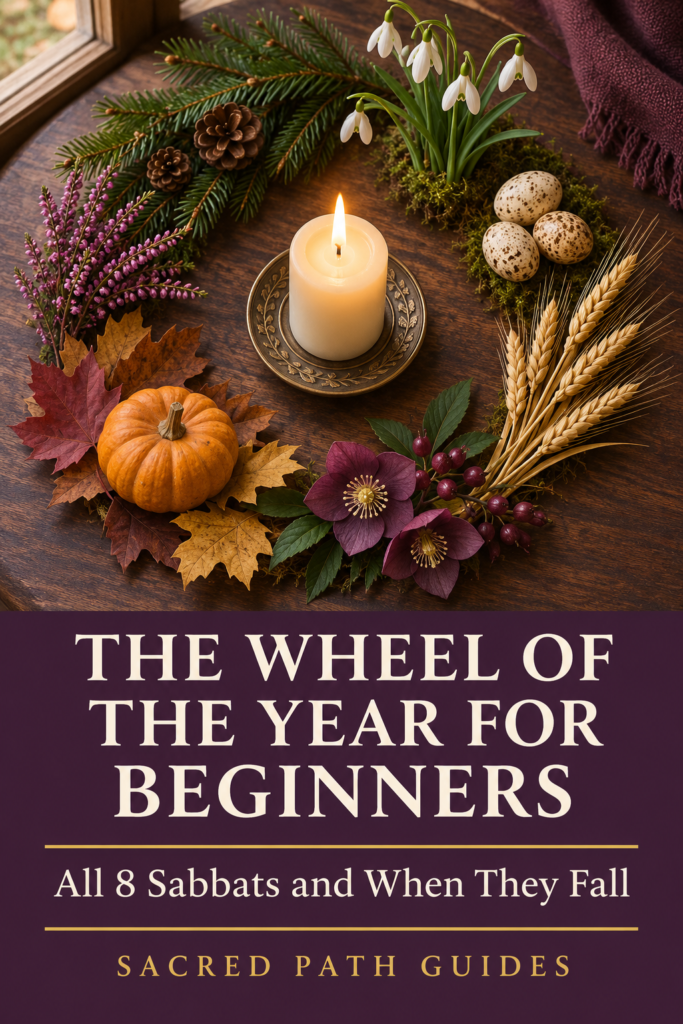
The Wheel of the Year for Beginners: All 8 Sabbats and When They Fall
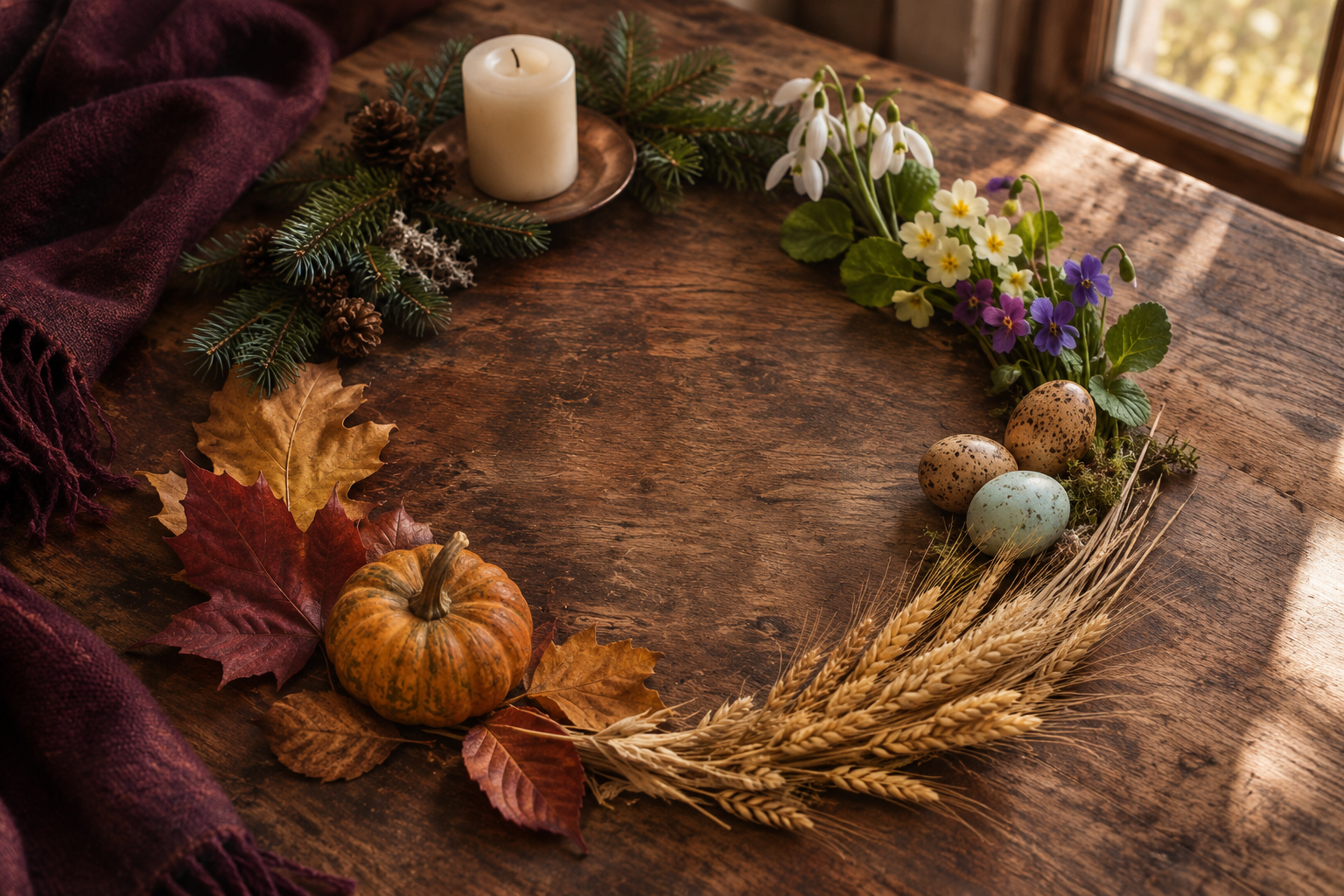
Every witch eventually stumbles onto the Wheel of the Year, usually as a gorgeous circular chart full of words like Imbolc and Lughnasadh, and immediately wonders whether they’re supposed to celebrate all eight of these on top of the full moons and a full-time job.
Good news: the Wheel is a rhythm for your year, and you get to decide how hard to turn it. Here’s what each sabbat is about, when it falls, and one small way to mark it, so you can start with the next one on the calendar and build from there.
What the Wheel of the Year actually is
The Wheel of the Year is a calendar of eight seasonal festivals: four solar ones (the two solstices and two equinoxes) and four that fall roughly halfway between them. Plenty of the festivals themselves are old. Putting all eight together in one wheel is a 20th-century idea from modern Paganism, and the names Ostara, Litha and Mabon only got attached in the 1970s.
That doesn’t make it any less meaningful. It means you’re joining a living tradition, and you’re allowed to shape it to fit where you live and what your seasons actually do.
The 8 sabbats, in order
Dates below are for the Northern Hemisphere, starting with the next one up. In the Southern Hemisphere, flip the wheel: Yule lands in June and Litha in December.
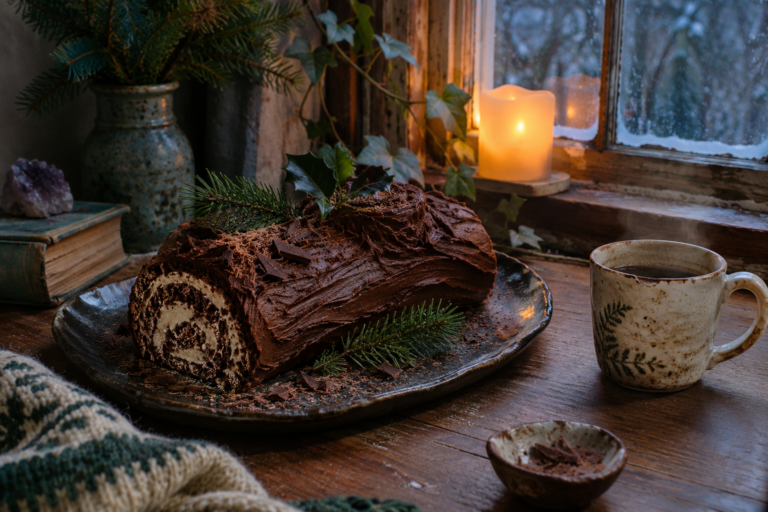
Yule: December 21, 2026
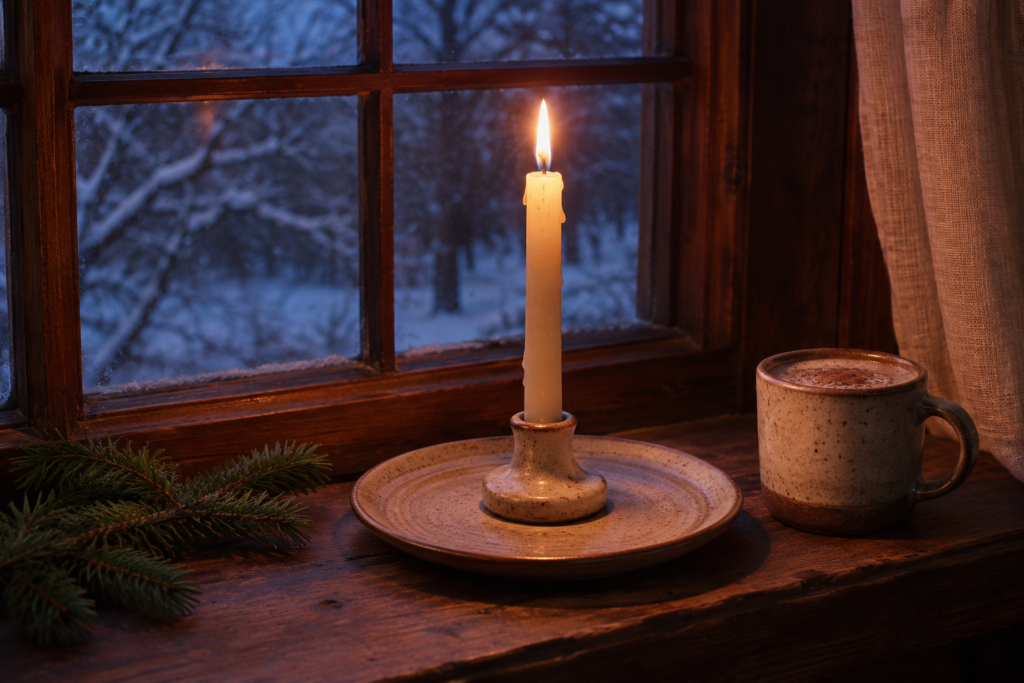
The winter solstice, the longest night of the year, and the turning point where the light starts coming back. Yule is about rest and hope in the dark.
Try this: turn off every light at sunset, sit with one candle, and name one thing you want to grow as the days get longer. Then turn the lights back on, because it’s December and somebody will trip over the cat.
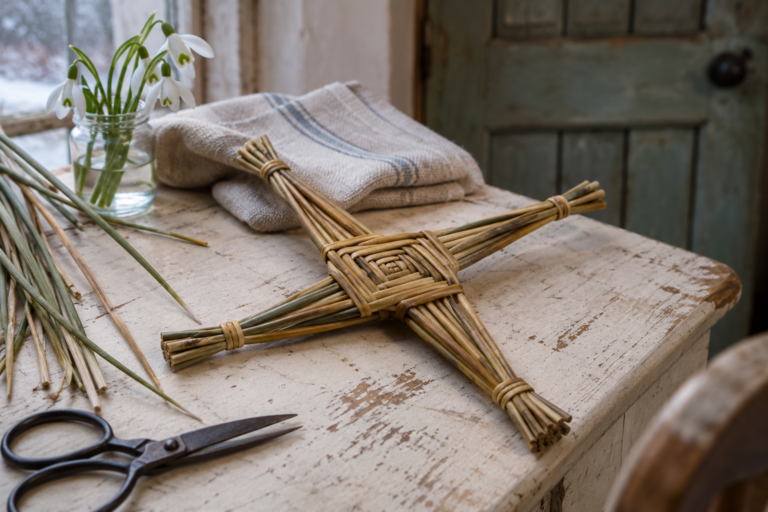
Imbolc: February 1, 2027
The first stirrings of spring, tied to the Irish saint and goddess Brigid. It’s a festival of hearth fires and getting your house ready for the season ahead.
Try this: clean one small space, light a candle there, and write down one fresh start you’d like this spring.
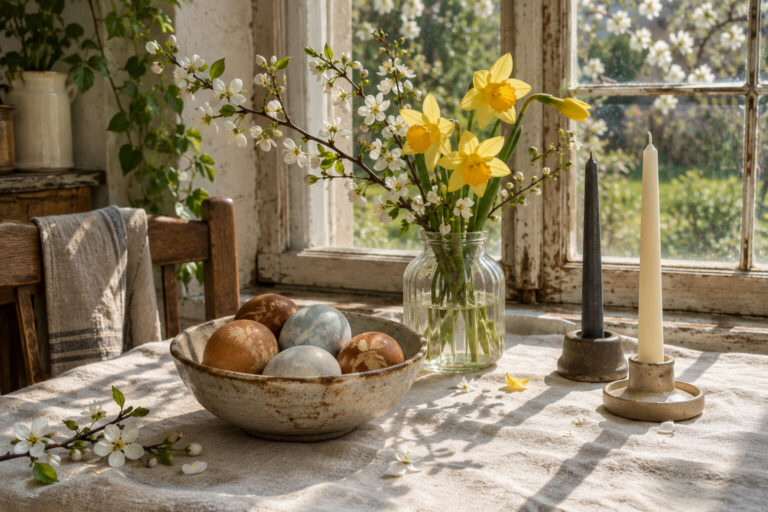
Ostara: March 20, 2027
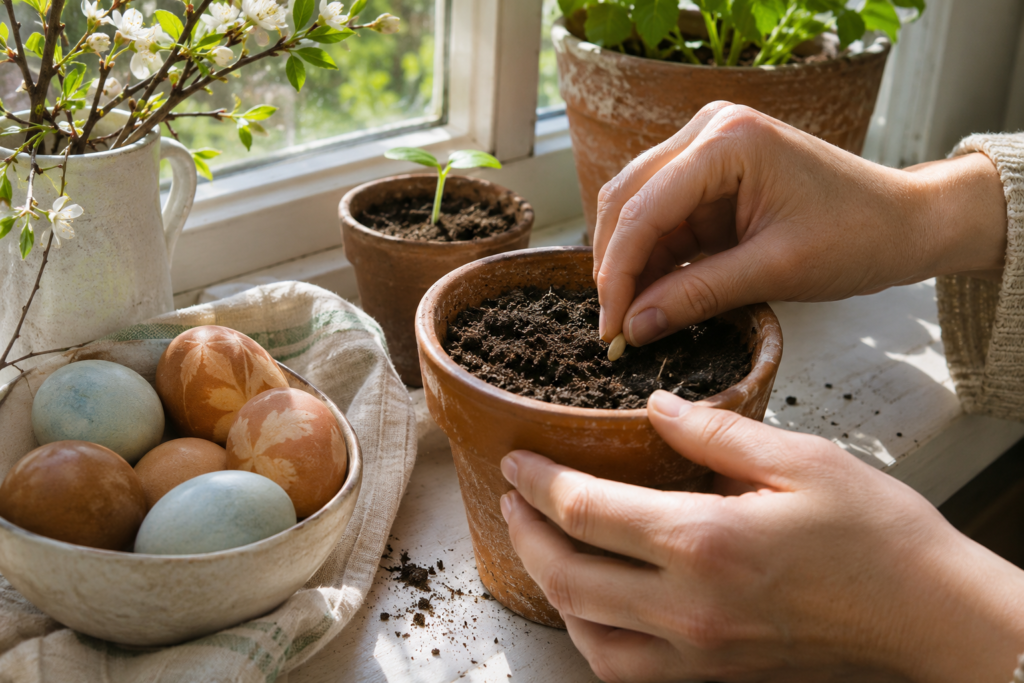
The spring equinox, when day and night are close to equal. Think balance, seeds and eggs, minus the claim that the Easter bunny was stolen from a goddess (that one doesn’t hold up, and the real history is more fun).
Try this: plant a seed and give it a wish to grow alongside it.
Beltane: May 1, 2027
The fire festival at the start of summer, with flowers and a general sense that everything is blooming at once, including your allergies.
Try this: pick or buy a few flowers, bring them inside, and do one thing purely because it makes you happy.
Litha: June 21, 2027
The summer solstice and the longest day of the year. The sun is at full strength, and so is everything you’ve been tending since spring.
Try this: watch the sunrise or sunset, and celebrate one thing that’s going right.
Lammas or Lughnasadh: August 1, 2027
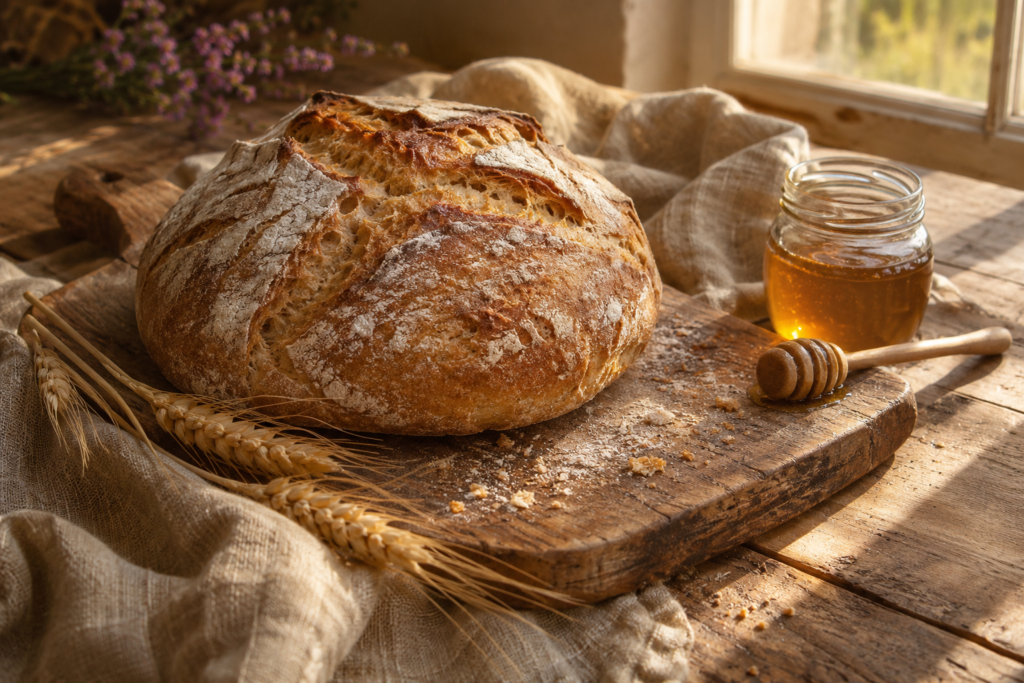
The first harvest, traditionally grain and bread. It’s a good moment for gratitude, and for checking in on the goals you planted earlier in the year.
Try this: bake or buy a loaf of bread, and say thank you for one thing you’ve harvested so far.
Mabon: September 23, 2027
The autumn equinox and the second harvest. Day and night are balanced again, and the year starts leaning toward rest.
Try this: make a gratitude list, then donate food or time to someone who could use it.
Samhain: October 31, 2027
The final harvest and, for many witches, the witch’s new year. Samhain is the time to honor ancestors and the dead, and to let the old year go.
Try this: set out a photo of someone you miss, light a candle for them, and tell them about your year.
How to start without burning out
Pick the next sabbat on the calendar and do one small thing for it. When it’s over, jot down what you did and how it felt. By the time the wheel comes back around, you’ll have a year of notes and a practice that’s actually yours.
Skipping one is fine. The seasons will keep turning whether you light a candle or binge a show under a blanket, and honestly, the blanket counts as winter magic.
Want the whole year planned for you?
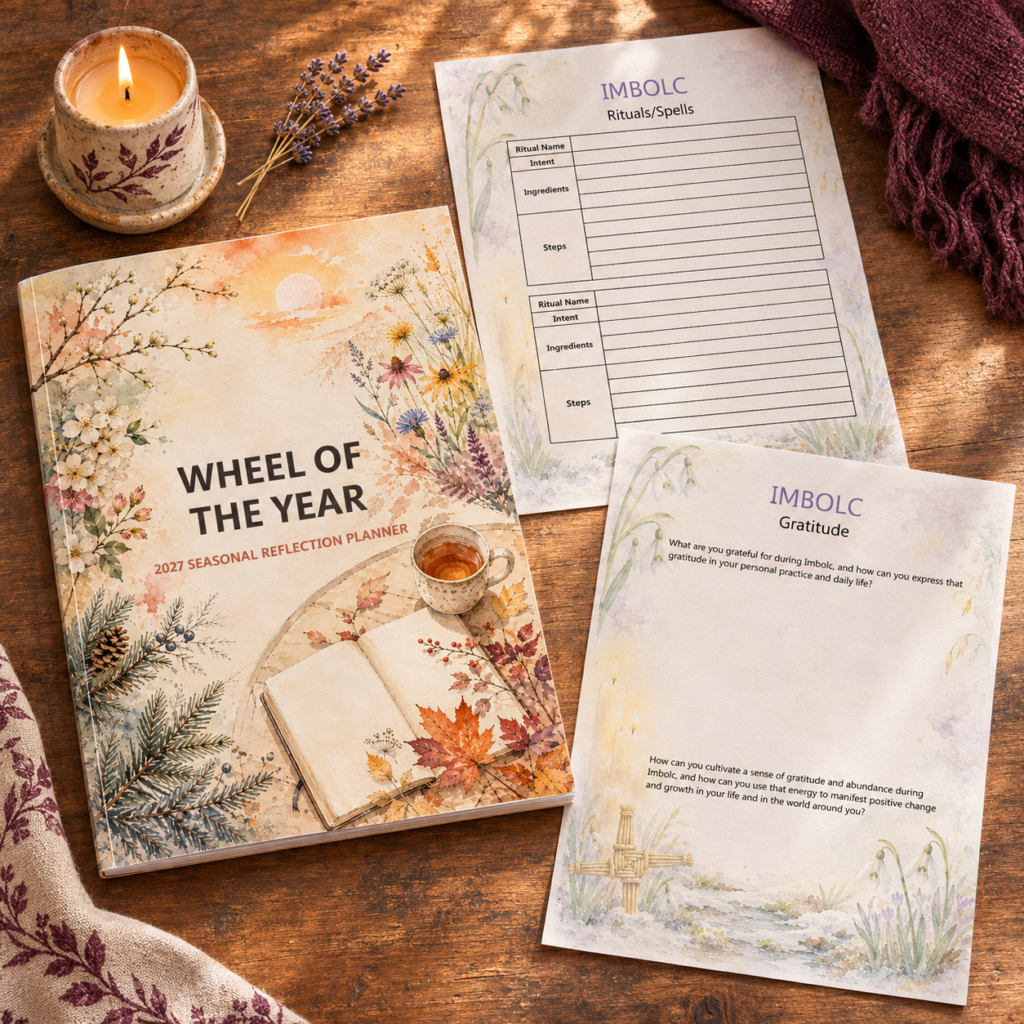
The Wheel of the Year 2027 Seasonal Reflection Planner is 107 pages covering all eight sabbats, with ritual and spell planning pages, reflection and gratitude prompts, tarot and moon pages, and 2027 reference pages for sabbat dates, retrogrades and new and full moons.
If you run a witchy business, it comes with private label rights, an editable PowerPoint and a Canva template, so you can brand it as your own 2027 planner and sell it in your shop.
Or go deep on one sabbat at a time
Each Sabbat in a Box is a full kit of 12 booklets for one festival: honest history and lore, a ritual guide, seasonal magic, recipes, crafts, a journal and a planner, plus three booklets written for your business. They come in Canva-ready files with PLR rights, so you can rebrand them, sell them, teach from them, or keep them for your own celebrations.
- Yule in a Box
- Imbolc in a Box
- Ostara in a Box
- Beltane in a Box
- Litha in a Box
- Lammas in a Box
- Mabon in a Box
- Samhain in a Box
Your wheel, your pace
You don’t need eight elaborate rituals to work with the Wheel of the Year. A single candle or a loaf of bread each season is a real practice, and it’s yours.
Run a witchy business? Grab the free I Bought It, Now What? guide. It walks you through turning PLR like the Sabbat boxes and the 2027 planner into products, posts and emails you can actually sell.
Save this for later: pin it to your witchy board so it’s there when you need it.